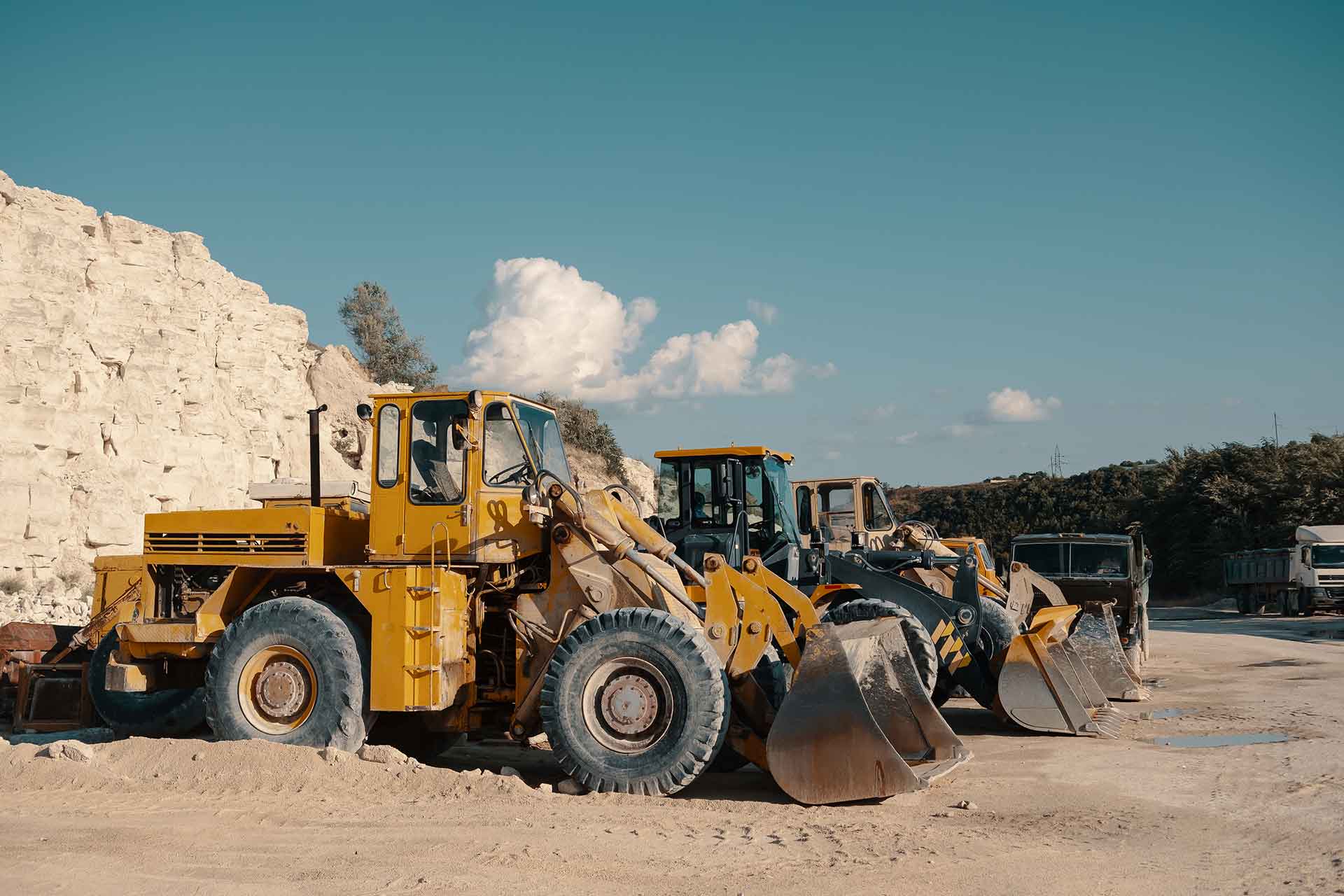
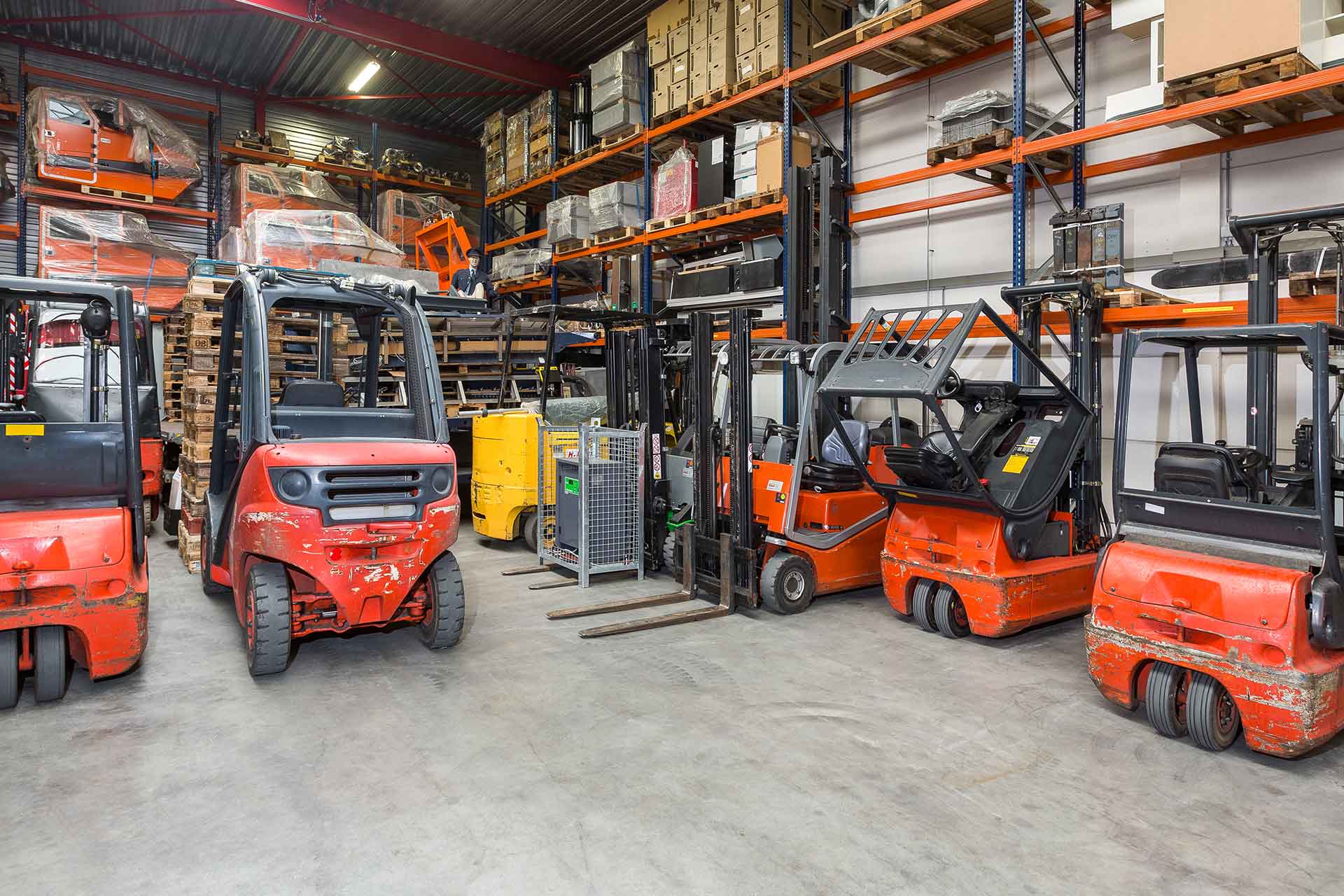
Heavy-duty equipment acquisitions involve substantial financial commitments, and even minor mistakes during purchase can lead to costly long-term consequences. Equipment inspection is the most effective strategy for reducing risks and ensuring that buyers make informed decisions. At Oneworld OK Service Limited, inspections form a cornerstone of our service model. A comprehensive inspection goes far beyond simply checking if a machine starts. It evaluates structural integrity, mechanical condition, performance efficiency, and the operational state of critical systems. This ensures that buyers understand exactly what they are paying for. One of the primary risks in equipment purchases is concealed mechanical damage. Issues such as hydraulic leaks, engine wear, rust, poor maintenance, and structural fatigue may not be obvious during a casual viewing. Without detailed inspection, buyers may inherit costly repair burdens.
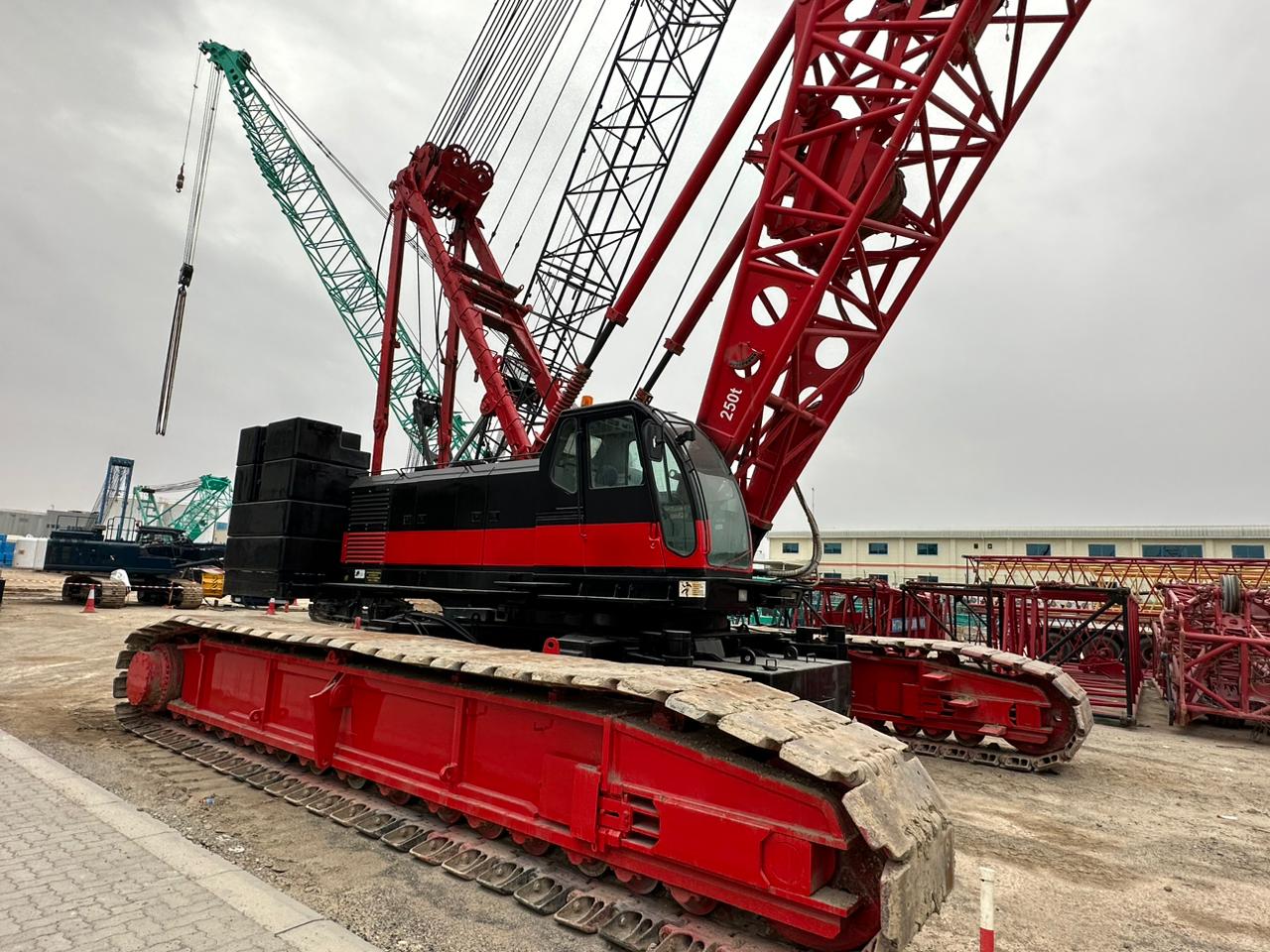
Inspection protects buyers by identifying whether a piece of equipment has undergone proper servicing. Maintenance logs reveal patterns that help predict the machine’s future performance. A well-maintained crane, for example, can last significantly longer than one that has been subjected to improper use. Another critical aspect of inspection is verifying authenticity. The market contains numerous misrepresented or counterfeit machines, particularly when sourcing internationally. Serial number checks, manufacturer records, and ownership verification protect buyers from entering fraudulent deals. Equipment inspection also plays a role in verifying compliance with safety regulations. Faulty machines pose serious operational hazards and legal consequences. A professional inspection ensures that every purchase meets the necessary safety requirements for field deployment. In the marine sector, inspections are even more critical. Boat inspections examine hull condition, buoyancy integrity, engine efficiency, and electrical systems. These checks ensure that vessels meet maritime safety standards and perform reliably in operational environments.
Buyers often underestimate how quickly minor issues can escalate into major failures. For example, a small crack in a crane boom may progress under load and lead to catastrophic collapse. This is why structural inspections are non-negotiable in equipment procurement. Inspection also helps buyers evaluate return on investment. By understanding the true condition of a machine, buyers can accurately assess its resale value and operational lifespan. This clarity supports better financial planning and budgeting. One of the biggest advantages of third-party inspection is neutrality. Sellers may exaggerate equipment capabilities, but independent inspectors provide unbiased reports that reflect the true condition of the asset. This transparency empowers buyers to negotiate from a position of strength. Inspection outcomes often influence procurement decisions. A detailed report may reveal hidden issues that lead the buyer to pursue an alternative unit—or negotiate a lower price. In either scenario, the buyer benefits from reduced financial exposure. Modern inspections increasingly incorporate digital tools such as diagnostic scans, high-resolution imaging, and performance sensors. These technologies produce more precise assessments, minimizing reliance on guesswork or superficial evaluations.
For international sourcing, inspection becomes even more critical due to the logistical complexity of returning faulty equipment. A thorough inspection ensures that the buyer receives exactly what was promised before committing financially. Buyers who rely on professional inspection experience significantly fewer breakdowns and operational disruptions. This improved reliability translates into enhanced productivity, reduced downtime, and greater long-term profitability. In summary, equipment inspection is the smartest safeguard a buyer can implement during procurement. At Oneworld OK Service Limited, our inspection processes are engineered to deliver accuracy, transparency, and peace of mind—helping clients avoid costly mistakes and invest confidently in quality machinery.